Why biocomposites make sense for reinforcing plastics
Reinforcing plastics has long meant glass fibres or mineral fillers. That approach delivers strength, but at a cost. Today, manufacturers are under pressure to cut carbon footprint, improve recyclability and still meet demanding technical requirements. Biocomposites offer a practical way forward, without sacrificing performance.
What is biocomposite?
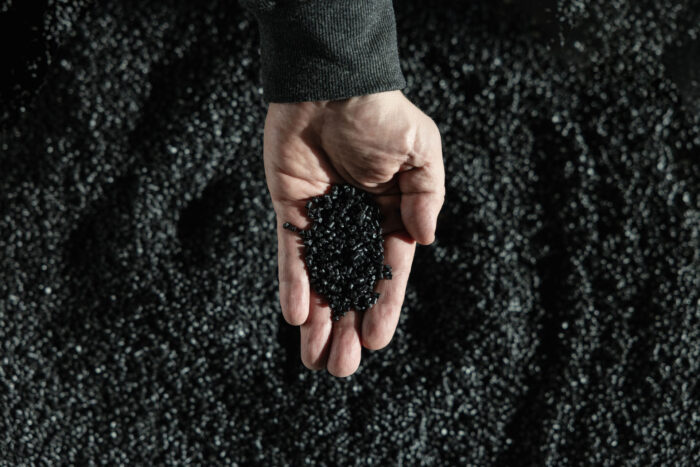
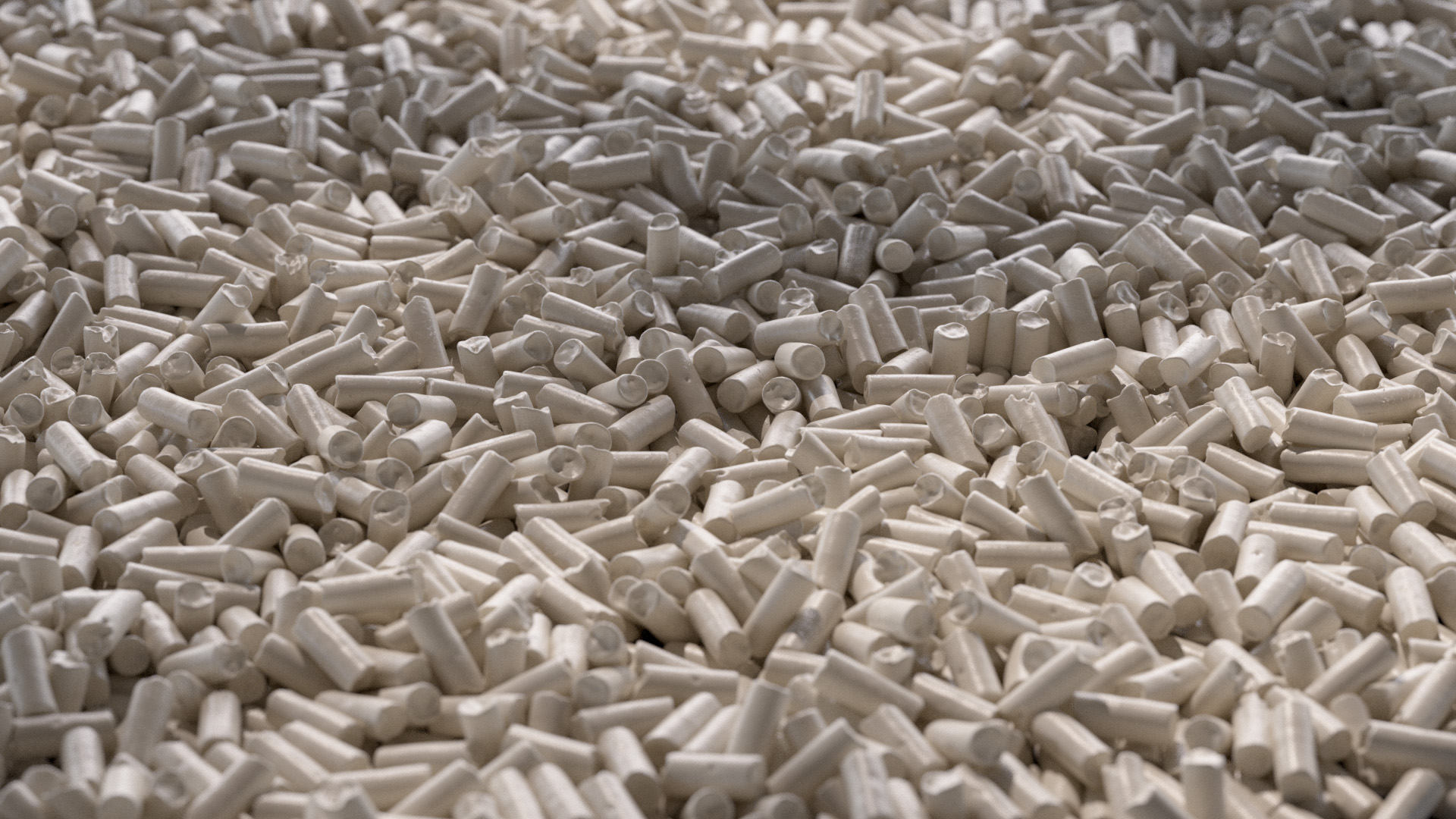
A biocomposite combines plastic with natural fibres. In Syklo’s case, these fibres come from recycled or virgin cellulose and are combined with recycled or virgin plastics to form Syklocomp biocomposite, a high performance reinforcement material. The result is a material that behaves like a technical plastic reinforcement, but with a much lower environmental load.
One of the key reasons manufacturers turn to biocomposites is carbon footprint. Syklocomp has a lower carbon footprint than traditional plastics and common reinforcement materials such as glass fibre. As a bio based material, it also binds carbon throughout the life cycle of the end product, making biocomposites particularly well suited for durable, long life applications where material choices have a major impact on total emissions.
High mechanical performance and usability in demanding applications
Today, biocomposites perform in some of the most demanding applications in automotive, electronics and appliances. Syklocomp is designed for applications that require good tensile strength, flexural strength and impact resistance, and it is already used in these industries. Syklo’s patented wet web technology preserves the length of cellulose fibres, which is a key factor behind the material’s high technical performance and consistent reinforcement behaviour.
When replacing glass fibres or mineral fillers, material behaviour often changes in ways that affect both processing and end product quality. With biocomposites like Syklocomp, reinforcement is achieved for example without surface defect issues typically associated with glass fibre. At the same time, weight can be reduced compared to mineral fillers, supporting lighter product design in demanding applications. This makes biocomposites a realistic alternative not only from a sustainability perspective, but also from a performance and usability standpoint.
Syklocomp reinforcing can also replace engineering plastics like ABS and PC/ABS that have a considerably high carbon footprint. With Syklocomp Syklo has achieved on par properties when replacing these plastics with PP based Syklocomp reinforcement. The reduction in cradle-to-gate carbon footprint has been up to 90%.
Efficiency and circular economy in production
Material choice affects more than just product properties. Syklocomp enables shorter cooling times, faster production cycles (30-70%) and efficient 3D reinforcement, which together translate into better throughput and lower energy consumption during processing. For manufacturers, these effects can have a direct impact on production efficiency and cost structure.
At the same time, Syklocomp supports circular economy principles. It uses recycled plastics and recycled fibres as raw materials and improves recyclability compared to glass fibre reinforced plastics, which are difficult to process at end of life. This makes biocomposites a practical choice for companies preparing for tighter regulations and higher customer expectations around material sustainability.
Material appearance and design freedom
Beyond technical performance, biocomposites also influence how products look and feel. The natural fibre structure gives components a distinctive surface appearance, which can be an advantage in visible parts. This is what Ecoaims found when switching to Syklocomp for the handles of their laser guns, where the material became a defining element of the product’s overall look. This is also a design feature for the customer. With Syklocomp the choice of processing parameters can also result in a product with a smooth, plastic-like surface finish. Combined with efficient 3D reinforcement, this allows more design freedom compared to traditional reinforcement methods, without compromising strength or durability.
From material choice to implementation
Switching material is not just a purchasing decision. Processing parameters, application requirements and material behaviour all need to align, and that work starts well before production. Syklo supports customers from early product development through to full-scale production, with a focus on getting that fit right for each application.
Read more
Syklo’s factory complex unique on a world scale will produce high-quality recycled plastic pellets and biocomposite
Syklo at Fakuma 2026: Explore Our Circular Economy Materials