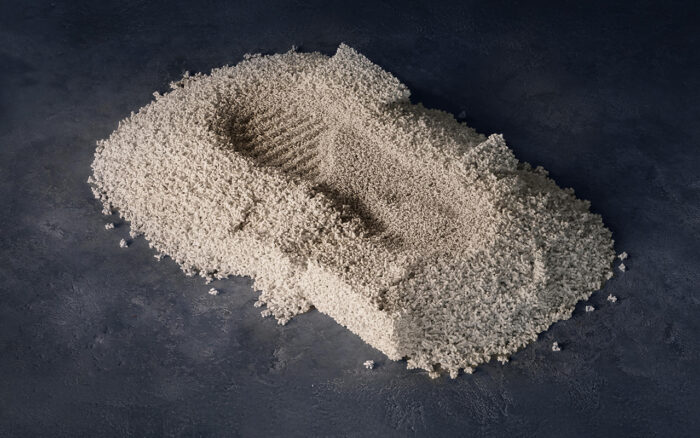
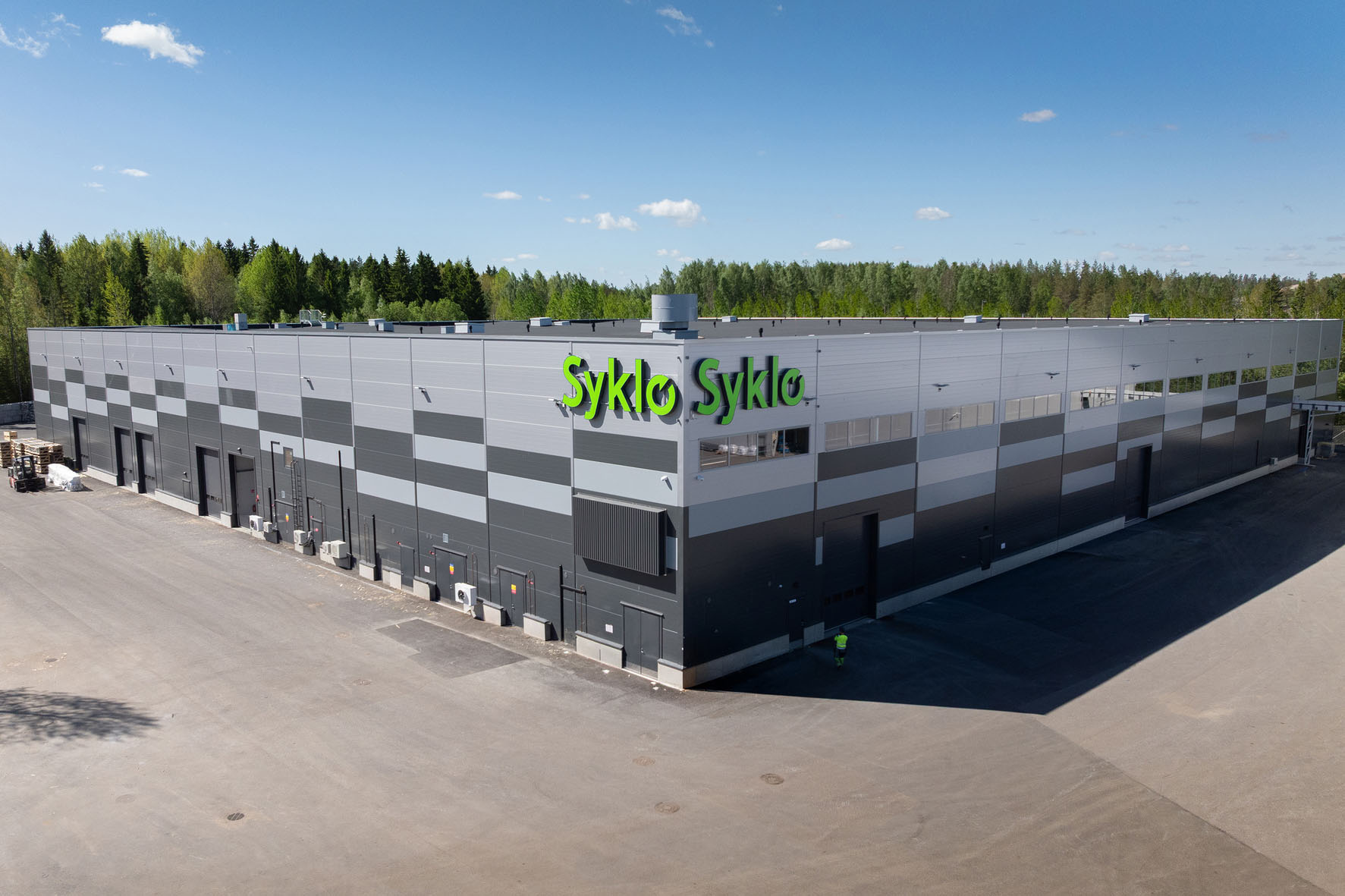
Syklo’s factory complex unique on a world scale will produce high-quality recycled plastic pellets and biocomposite
Syklo’s EUR 70-80 million circular economy hub starts its operations on 9 September 2026. Sykloplast recycled plastic pellets and Syklocomp biocomposite can be utilised in demanding applications in vehicle, packaging and electronic industries.
Syklo Group officially opens its complete Hyvinkää circular economy hub today. The hub combines Finland’s largest plastic recycling plant with an industrial-scale biocomposite facility. The total investment is 70–80 million euros, making it unique on an international level.
The plastic recycling plant can process 50,000 tonnes of plastic waste every year. This is material that would otherwise be incinerated or sent to landfill. The plant alone raises Finland’s plastic recycling capacity by 50%. It also cuts Finland’s calculated greenhouse gas emissions by more than 100,000 tonnes of CO2eq per year.
“Our goal is to grow circular economy as one of the leading areas of Finnish export. Finland’s recycling rate has long been among the weakest in Europe. With this investment, we are turning the direction for the whole country. Our ultimate mission is to build a more sustainable world, where materials are kept in circulation. Now is exactly the right time to help create the circular economy market. The EU’s newly approved End-of-Life Vehicles Regulation and the PPWR are strengthening demand for recycled materials even further,” says Teemu Koskela, CEO of Syklo Group.
Patented technology guarantees top quality and advanced mechanical properties
The plant’s process is built for the most demanding sorting and refining possible, from start to finish, using a closed-loop water system. The sorting stage uses patented technology from Scottish partner Impact Recycling. This technology can even separate black plastics from plastic streams based on minimal differences in density, one of the industry’s long-standing challenges. Syklo has also built the plant’s overall concept, refining process, and quality assurance using its own expertise. As a result, the final product, Sykloplast recycled plastic pellets, meets the plastics industry’s requirements for consistent quality and technical performance, even in the most demanding applications where recycled plastic could not be used before.
The biocomposite facility will operate alongside the plastic recycling plant. It uses Syklo’s own patented wet-web technology, which preserves the length of cellulose fibres and so improves the material’s strength. The process runs on a closed water circuit, which keeps the environmental impact to a minimum. Syklocomp biocomposite can replace glass fibre, talc, and technical plastics in the packaging, electronics, and transport equipment industries. In its first phase, the facility’s final product capacity is 8,000 tonnes per year.
The synergy between the two plants is a key part of the concept. The Sykloplast recycled plastic pellets produced in plastic recycling will become a direct raw material for the neighbouring biocomposite facility. This cuts transport costs and enables a high-quality final product. The circular economy hub brings more than 100 new jobs to the city of Hyvinkää, from lab technicians to process workers. The plants will run in three shifts. Syklo’s products are aimed especially at export markets, and the company also wants to actively expand its operations beyond Finland through new production facilities.
Materials under review in Amazon’s climate technology program
The opening coincides with another major piece of news. Syklocomp biocomposite, made in Hyvinkää, has been chosen for the 2026 Amazon Devices Climate Tech Accelerator program from hundreds of applicants. The selection means Syklo’s material solution will be evaluated for use in Amazon’s devices and their manufacturing. The program looks for ways to shrink the carbon footprint of components in Amazon’s consumer electronics. The evaluation will look at how the material performs in the process, its mechanical performance, and its reliability of supply at an industrial scale. Two big pieces of news arriving together, the full launch of production capacity and the evaluation of materials in a global technology giant’s program, show Syklo’s goal: to grow from circular economy expertise into part of the global device industry.
EU’s New Vehicle and Packaging Regulations Strengthen Demand for Recycled Materials
In June 2026, the European Parliament gave final approval to the End-of-Life Vehicles Regulation. The EU Council formally confirmed it on 29 June 2026. This is Europe’s first regulation to set mandatory targets for using recycled plastic in new vehicles. At least 15% of the plastic in new vehicles must be recycled within six years of the regulation entering into force. That share rises to 25% within ten years.
At the same time, the EU’s Packaging and Packaging Waste Regulation (PPWR) became applicable on 12 August 2026. It sets mandatory minimum shares of recycled plastic for plastic packaging, ranging from 30% to 65% depending on the product category. These requirements will be phased in starting in 2030.
Together, these regulations create significant new demand for high-quality recycled plastic and recycled reinforcement material. That is exactly what Syklo produces at its Hyvinkää circular economy hub. Sykloplast recycled plastic pellets and Syklocomp biocomposite are designed for demanding technical applications in both the automotive and packaging industries. This puts Syklo in a strong position to meet the growing need for certified, consistent-quality recycled raw material in both sectors.
Read more
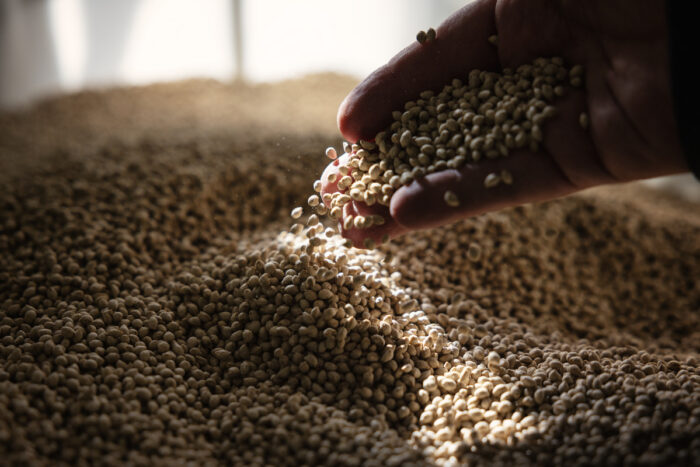
Syklo at Fakuma 2026: Explore Our Circular Economy Materials
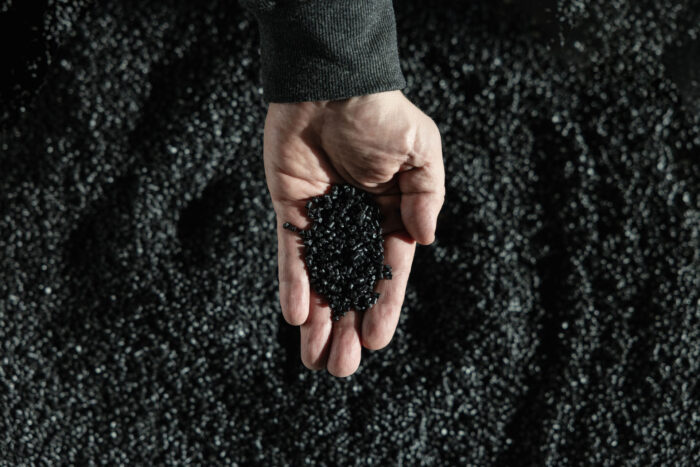
The EU ELV Regulation and Recycled Plastics: What OEMs and Compounders Need to Do Now